

 ChatGPT
 Perplexity AI
 Claude
These days, a cover letter is a must-have in the job application process for most positions. Yet, many people don’t fully understand its purpose or how to write one effectively. And like it or not (most probably hate it), a good cover letter can be the key to landing the job you want—helping you stand out from other candidates and make a compelling first impression.
In our expert guide, you'll learn practical tips on cover letter structure and how to send it effectively so your application gets noticed. Plus, you'll explore inspiring cover letter examples and templates created by our experts, giving you the tools and confidence to craft a cover letter that gets results.
Keep on reading and you'll also learn:
- Why do you need a cover letter
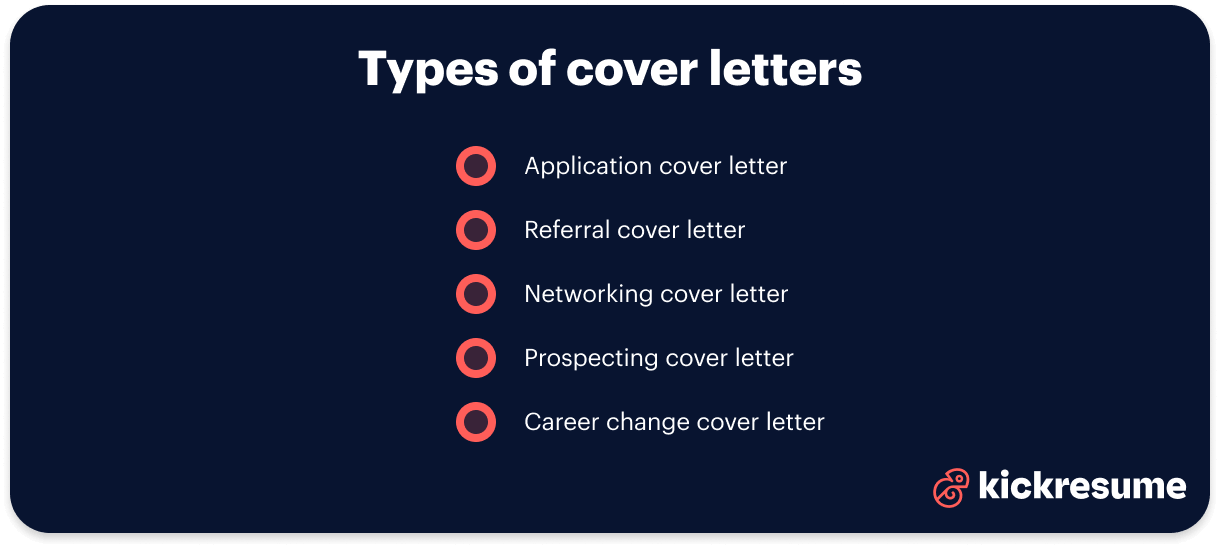
- What types of cover letters exist
- The difference between a cover letter and a motivation letter
- How to use storytelling in your cover letter
- How to properly format a cover letter
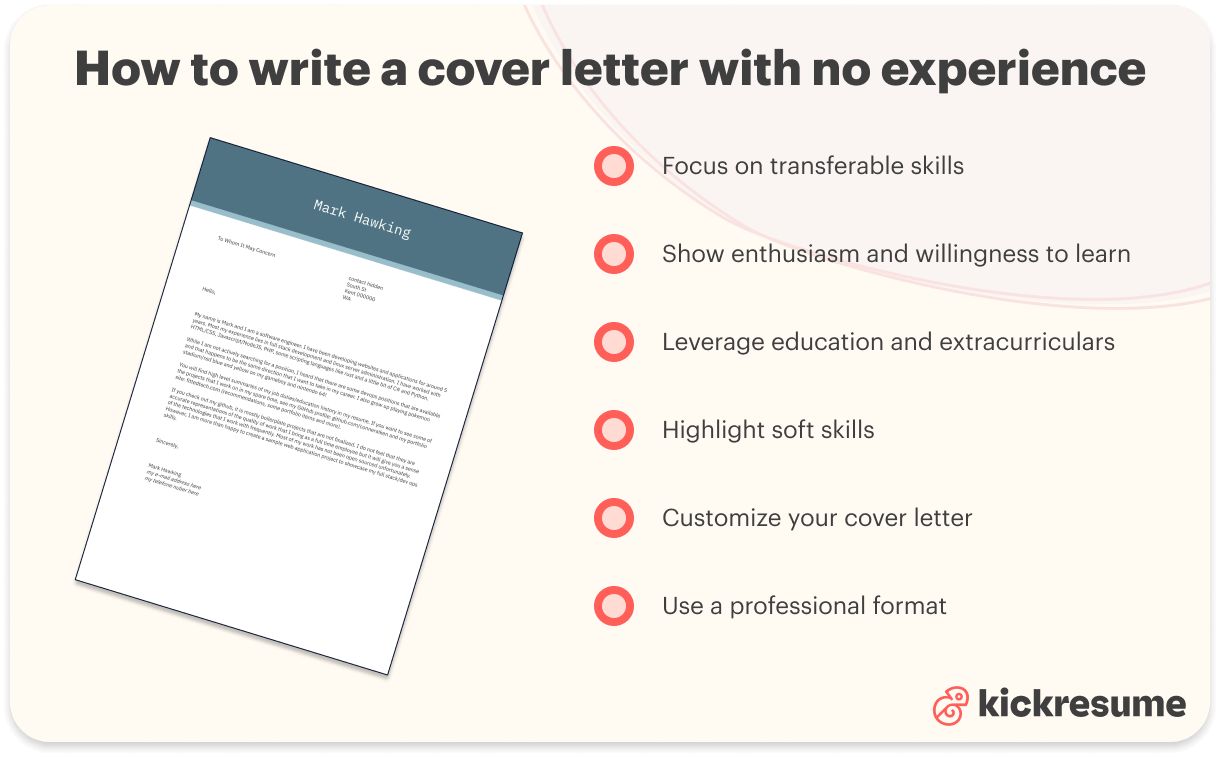
- How to write a cover letter with no experience
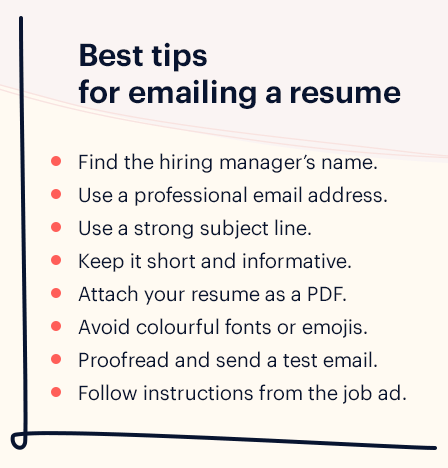
- How to send a cover letter via email
Let your cover letter write itself — with AI!

What is a cover letter
A cover letter is essentially your personal introduction to a potential employer. It's a chance to go beyond your resume and show your background.
In a cover letter, you can highlight why you're a great fit for the position and present your personality. That's something a structured resume can't do on its own.
What's more, according to Resume Now, 45% of recruiters say that not having a cover letter can result in your job application ending up in the reject pile.
So, whenever you hesitate about writing a cover letter for a specific job, think of what you might be missing out on—a chance to make a memorable impression.
Why do you need a cover letter?
- Stand out: In a competitive job market, a resume alone isn’t always enough. A good cover letter can be the key to getting noticed.
- Bridge gaps: Lack experience? Use your cover letter to show enthusiasm and highlight positive qualities.
- Standard practice: A cover letter has become a standard part of job applications. In fact, a missing cover letter contributes to 45% of missed interviews.
“A strong cover letter gives job seekers a chance to showcase soft skills, motivation, and cultural fit—qualities that often tip the scales in the final hiring decision. Even if it feels optional, including a well-crafted cover letter can help you stand out in a competitive job market.”
Exploring the different types of cover letters
When it comes to job applications, one size doesn't fit all. And the same applies to cover letters. Understanding the different types of cover letters can help you hit your career targets perfectly.
- Application cover letter: This is the most common type. It's used when applying for a specific job opening. Here, you focus on detailing how your skills and experiences align with the position's requirements.
- Referral cover letter: If someone has referred you to a role, this cover letter helps you make that connection clear. Not only does mentioning a mutual contact grab attention, but it also builds credibility!
- Networking cover letter: Even if a job isn't advertised, reaching out through your network can be a great move. This type of cover letter lets your contacts know you’re job hunting and open to opportunities. While using your network to get a job is usually the right move, one needs to be extra careful when sending out a networking cover letter. It needs to be formulated with politeness and delicacy.
- Prospecting cover letter: Also known as a letter of interest, this is used to ask about potential job openings at a company, even if none are advertised. Highlight your skills and express interest in future opportunities.
- Career change cover letter: Switching fields? This cover letter focuses on your transferable skills and experiences that make you a great fit for a different industry.
All in all, matching your cover letter to the situation adds some serious flair to your job application. So, remember to tailor each one carefully and watch your chances of landing that interview soar!
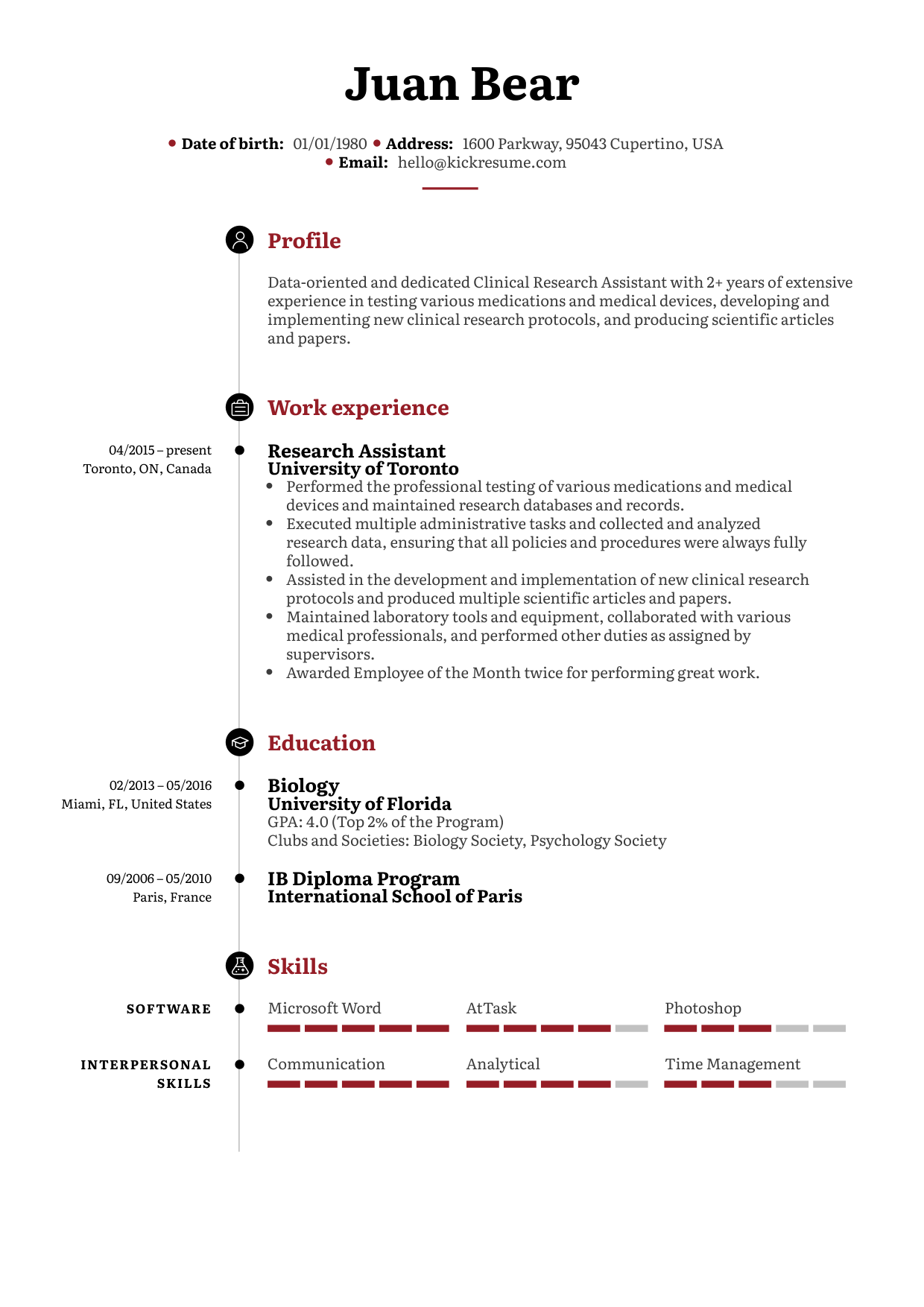
If you want to learn how to write a good resume, have a look at our ultimate resume guide. You can even turn your LinkedIn profile into a polished resume.
What's the difference between a cover letter and a motivation letter
You've probably heard about a motivation letter. If you've mistaken it for a cover letter, you're not alone! Well, they're not the same and differ quite a bit in purpose and focus.
A motivation letter is your go-to for study programs, university placements, or volunteer positions. It’s all about showcasing your enthusiasm and what makes you unique. A motivation letter focuses on:
- Purpose: Explains your drive for pursuing the opportunity.
- Personal story: Highlights your background and unique attributes.
- Broad approach: Focuses on your overall enthusiasm and potential fit within an organization or program.
Meanwhile, designed for specific job applications, a cover letter emphasizes:
- Job focus: Directly aligns your skills and experiences with job requirements.
- Relevance: Concentrates on specific achievements and qualifications related to the role.
- Conciseness: Generally more succinct, designed to quickly show your suitability for a particular position.
While both can show your personality, a motivation letter reflects your overall ambitions, whereas a cover letter zeroes in on how your skills match a specific job. Remember, understanding the difference can give your application an edge, so choose wisely!
How to write a cover letter in 2026
It surely looks like cover letter writing is the least favorite thing to do among job seakers (to put it mildly). However, crafting a good one isn't as dreadful as it might first seem.
With a few key pointers, your chances of landing an interview can increase greatly, believe us. It’s all about knowing what to include and how to format it.
Over time, cover letter structures have shifted towards more concise, to-the-point content. To understand exactly how to achieve this, let's dive into the "what" and the "how."
What to include in your cover letter and how to structure it
Crafting an effective cover letter is about hitting the right notes with each section. Let’s break down the essential parts:
1. Header
Begin by ensuring it's easy for the employer to reach you. Your cover letter header should include:
- Your full name
- Your address
- Your professional email
- Your phone number
- The date of writing
Additionally, include the employer’s details to personalize the letter:
- Name of the recruiter or hiring manager, along with their title (if applicable)
- Company name
- Company address
Researching and personalizing these details not only sets a professional tone but also shows you're attentive and well-prepared—qualities employers definitely appreciate.
Cover letter header example
To: Jane Lane, Hiring Manager
2. Greeting
Personalize your salutation whenever possible. Addressing the hiring manager by name can make a positive first impression.
- Address the hiring manager by name if possible, using "Dear [Name],".
- If unknown, use a friendly but formal greeting like "Dear Hiring Manager,".
Cover letter greeting examples
- Dear Mrs. Jane Lane,
- Dear Hiring Manager Jane Lane,
3. Introduction
Dive in with a strong opening. In your cover letter opening, clearly state the position you’re applying for and briefly highlight why you’re an ideal fit.
- Mention the position you’re applying for.
- Mention a mutual connection (if applicable).
- Catch interest by stating why you’re excited about the role.
- Briefly introduce your most relevant qualification or experience.
Cover letter opening example
4. Body
Now, this is your chance to shine. When crafting the body of a cover letter, focus on clearly highlighting your unique skills and achievements.
Describe how your previous experiences shaped you and why does it make you the perfect fit for the job. Here, you shouldn't exceed three paragraphs. Don't be repetitive, or too descriptive—rather demonstrate your qualities.
- Emphasize unique skills: Use clear language to explain how your skills have led to real results. Consider using bullet points, starting with specific skills, for better clarity.
- Highlight achievements: Provide concrete examples of your accomplishments, linked to your skills, to demonstrate how you can add value to the role.
Cover letter body example
- Strategic Communication: I developed a comprehensive communication plan that increased audience engagement by 30% over six months, showing my ability to connect effectively with target audiences.
- Digital Media Expertise: I led a successful digital campaign that boosted online interactions by 40%, using social media platforms to raise brand awareness and drive engagement.
- Crisis Management: I managed a communication crisis by rapidly drafting and disseminating key messages, which led to a 50% improvement in public sentiment.
5. Conclusion
End your cover letter with enthusiasm. Reinforce your interest in the position and share your eagerness to discuss how you can contribute. Never forget to thank the hiring manager for their time and express your high hope for hearing back from them soon.
- Reiterate your enthusiasm for the role and company.
- Express eagerness to discuss how you can contribute.
- Offer a call to action, such as a request for an interview or a follow-up meeting.
Cover letter conclusion example
I am eager to bring my expertise in strategic communication and digital media to your team, contributing to your innovative projects. Thank you for considering my application. I look forward to the possibility of discussing how I can add value to your team in person. Please feel free to contact me at your convenience to schedule an interview.
6. Closing
Use a courteous closing phrase and include your name and signature if sending a physical copy.
- Use a professional closing like "Sincerely," or "Best regards,".
- Include your name. If printing, leave space for a signature.
Cover letter closing example
“Recruiters want to see impact—so your cover letter should highlight measurable achievements and specific results, not just general duties. Use numbers, outcomes, or quick anecdotes whenever possible to quickly show how you can deliver value to a new team.”
Pro tip: Setting the right tone for your cover letter
Keep it professional, but let a bit of your personality show. For example, if the company is known for being innovative and energetic, your letter might say, "I'm excited about the opportunity to bring fresh ideas and enthusiasm to your dynamic team." Adjust your language to fit their style, helping you connect.

Using storytelling in your cover letter
Do you prefer to turns facts into a relatable tale that connects with the recruiter emotionally? Then storytelling is for you. In a job context, it basically means sharing your experiences or achievements as a story.
In a cover letter, storytelling shows how your past experiences make you a good fit for the job by highlighting your skills and what you’ve accomplished. In the end, this helps employers see how you can contribute to their team.
The important is to connect with the company’s mission and the job role, showing both your fit and unique qualities.
So, how to craft your story?
- Choose a relevant experience: Think of a work or life experience that shows off your skills or problem-solving abilities. Make sure it connects to the job you're applying for.
- Set the scene: Briefly describe the situation. What was the challenge or opportunity you faced?
- Highlight your actions: Explain what you did and how you handled the situation. Focus on the skills or qualities you used.
- Share the outcome: Mention the positive results of your actions. Did you meet a goal, improve a process, or learn a valuable lesson?
- Engage your reader: Use clear, engaging language to draw the reader in. Be concise to keep their attention, but make sure your personality shines through.
Storytelling example in a cover letter
Last year, I faced a challenge when our brand's social media engagement stagnated. To address this, I initiated a campaign centered around customer testimonials. By highlighting a local artist's journey with our products, we forged a deep connection with our audience. This approach led to a 50% increase in engagement and a 20% boost in sales within three months. This experience underscored the effectiveness of storytelling in marketing, and I am eager to bring this strategy to [Company Name].
By weaving a short story into your cover letter, you create a connection with the employer. You’re not just a list of skills; you’re someone they can picture on their team!
How to format a cover letter
Getting the formatting right is an important part of any successful job application. While the content of your cover letter matters most, the way it looks also plays a role. A well-formatted cover letter is easier for recruiters to read and can help ensure it gets properly scanned by applicant tracking systems (ATS) instead of ending up in the trash.
Here are the most important formatting rules to follow:
- Length. Aim for 250–300 words so your cover letter fits nicely on one page. This keeps your message clear and to the point.
- Structure. Break your cover letter into three to four paragraphs: start with an introduction, follow with your most relevant experience and skills, and finish with a strong closing.
- Font and size. Stick to classic fonts like Arial, Calibri, or Times New Roman, and keep the size between 10.5 and 12 for easy reading.
- Margins. Use 1 to 1.5 inch margins to give your text enough breathing room and keep the page looking clean.
- Matching design. Make sure your cover letter and resume share a consistent design. Use the same header, font, layout, and colors to show attention to detail.
How to make your cover letter ATS-friendly
Many companies use ATS (applicant tracking systems) to scan resumes and cover letters before they reach a recruiter. While the exact setup may differ, there are still a few rules that are always worth following.
ATS usually looks at two things: how readable your cover letter is and how well its content matches the job ad. That includes both the layout of your cover letter and the keywords used in it.
Here are some practical tips to keep your cover letter ATS-friendly:
- Contact information. Include your contact details and the employer’s information at the top. But avoid placing your contact information in the header or footer, since ATS may not read those areas properly.
- Alignment. Stick to a one-column layout. ATS can struggle with two-column formatting.
- Avoid flashy elements. Skip images, graphics, text boxes, or other decorative elements. They can clutter your cover letter and may not be read by ATS at all.
- Use keywords thoughtfully. Include keywords from the job description naturally to align with ATS criteria and highlight your relevant skills.
- Avoid unnecessary jargon. Use clear, straightforward language so your cover letter is easy to understand for both ATS and human readers.
To take formatting off your plate, consider using one of our cover letter templates.
And if you want extra peace of mind before hitting send, try our ATS Resume Checker, which simulates a real ATS scan.
Find out your resume score!

How to write a cover letter with no experience
Writing a cover letter with no experience might seem impossible, but believe it or not, you can still make your letter pop. Here’s how to craft a standout cover letter even without much experience, whether you're a fresh graduate or just about to start a new job:
- Focus on transferable skills: Highlight skills you can bring to any job, like communication, organization, or teamwork. Think about school projects or volunteering where you’ve used these skills. For example, mention how leading a school project taught you to organize tasks and motivate a team.
- Show enthusiasm and willingness to learn: Express your excitement about the job and your eagerness to dive in and grow. Employers love candidates who bring energy and a can-do attitude.
- Leverage education and extracurriculars: Talk about coursework or clubs that have given you valuable skills. Connect these experiences to what the job needs.
- Highlight soft skills: Soft skills like adaptability, problem-solving, and teamwork are golden. Mention times when you’ve put these into practice.
- Customize your cover letter: Tailor your cover letter by using keywords from the job ad. It shows you’ve done your homework and know what they're looking for. For example, if the ad emphasizes "collaboration," mention how you effectively collaborated in a group setting.
- Use a professional format: Even without experience, a neat and tidy cover letter shows you mean business. Keep it clear and concise.
Remember, everyone starts somewhere. Your enthusiasm, potential, and willingness to learn can make a big splash, even without experience.
Tips for sending a cover letter by email
Once your cover letter is ready, it’s time to send it off. But before you do, make sure to avoid mistakes that could derail your application. Here are some tips on how to email your cover letter properly:
- Follow application instructions: Read the job ad carefully, especially the instructions at the bottom. You'll find the hiring manager’s name and email there. Double-check this info and be sure to address them in both your email and cover letter.
- Nail the subject line: Craft a clear subject line mentioning the job position you're applying for. It helps your email stand out.
- Use a professional email address: Ensure your email address is professional—ideally, it should include your full name. Avoid nicknames or random numbers.
- Keep the email brief: Be polite and concise in your email. Remember to mention that your cover letter is attached.
- Attach the right files: Don’t forget to attach your cover letter and resume. This is your one shot at a first impression—make it count!
- Save documents properly: Save your cover letter in an easy-to-open format like PDF. Name the file with your name, position, and date to keep it clear and consistent with your resume.
- Thank the recruiter: Always thank the recruiter for their time. A little politeness goes a long way.
- Sign off professionally: End with your full name and "Sincerely." Keep it official to maintain a professional tone.
How experts do it: Best cover letter examples
Some cover letters inspire, others show what to avoid. We've picked a few cover letter samples that might spark your creativity, or even help you find your unique voice.
We’ll break down what worked well and what could be improved so you can apply these lessons to your own cover letter.
Example 1: Cover letter for the position of certified nurse midwife


Why does this cover letter work?
- Clear introduction: Elsa clearly states her interest in the position and mentions the hospital's name. This is great as it shows attention to detail and personalization.
- Relevant qualifications: She highlights her certification and over a decade of experience, directly aligning her credentials with the role.
- Patient-centered focus: Emphasizing a patient-centered approach demonstrates her commitment to quality care, which is crucial in healthcare roles.
- Professional tone: The letter maintains a professional tone throughout, which is essential for a position in the healthcare industry.
What could be improved?
- Lack of specific achievements: While the candidate mentions her skills, the letter lacks specific examples or achievements that quantify her impact or contributions. Numbers are crucial.
- No personal connection: The cover letter doesn’t reference any personal connection or specific reason for wanting to work at Saint Mary Hospital, missing an opportunity to show genuine interest.
- Closing paragraph: The closing could be stronger by reiterating specific ways her expertise matches the hospital’s needs, making her application more memorable.
Example 2: Cover letter for the position of software engineer

Why does this cover letter work?
- Relevant experience: The applicant clearly outlines her 8 years of experience in DSP and software engineering, emphasizing her qualifications for the role.
- Technical skills: The cover letter highlights Mia's proficiency in key programming languages and tools, showcasing her technical expertise.
- Ongoing learning: Mia's emphasis on staying current with emerging DSP technologies simply reflects her commitment to professional growth and innovation.
What could be improved?
- Lengthy and detailed: The cover letter is not very concise, which may make it less engaging for busy hiring managers.
- Lack of numbers: While Mia mentions successful projects, she does not provide quantifiable results that demonstrate her impact.
Example 3: Cover letter for the position of marketing intern

Why does this cover letter work?
- Clear motivation: Alice expresses strong interest in the company and position. That surely shows genuine enthusiasm and alignment with Blizzard Entertainment's goals.
- Relevant academic background: Her studies in International Marketing provide a solid foundation, showing educational relevance to the position.
- Practical experience: Alice highlights her internship at Hulu, noting specific contributions like increasing Instagram followers, which showcases her impact and effectiveness.
- Language and software skills: Highlighting proficiency in multiple languages and familiarity with marketing software adds depth to her skill set.
What could be improved?
- Vague introduction: The opening could be more specific by personalizing it with details about why she values the company beyond its reputation.
- Extracurriculars mentioned broadly: While involvement in activities is good, focusing more on relevant marketing-related extracurriculars would be more impactful.
Key takeaways: What is a cover letter and how to write one
- Cover letter purpose: Showcase why you're a great fit and let your personality shine beyond the resume.
- Make It concise: Aim for 250-300 words. Keep it focused and direct to capture attention quickly.
- Different types: Understand various cover letters—application, referral, networking, prospecting, and career change—to tailor your approach.
- ATS consideration: Format it for both human readers and ATS by using clear language and relevant keywords.
- Consistent formatting: Match your cover letter’s design with your resume's—use the same font and layout for a cohesive, professional look.
- Storytelling can be a way to go: Storytelling in a job context involves turning your experiences or achievements into relatable stories that emotionally connect with recruiters.
- No experience? No problem: Highlight transferable skills, show enthusiasm, and leverage educational experiences to make an impact.
-
Email tips: When sending via email, use a clear subject line, attach the cover letter in PDF format, and maintain a professional email tone.

![How to Write a Professional Resume Summary? [+Examples]](https://d2xe0iugdha6pz.cloudfront.net/article-small-images/How_to_Write_a_Professional_Resume_Summary_.png)

![How to Describe Your Work Experience on a Resume? [+Examples]](https://d2xe0iugdha6pz.cloudfront.net/article-small-images/How_to_Describe_Your_Work_Experience_on_a_Resume_.png)